Engines and Performance
2026 Jeep Grand Cherokee Engines and Performance
For Route 6 driving, compare the Pentastar's 293 hp with the Hurricane's 324 hp, but also compare their torque delivery; each engine works through an automatic with eight forward gears. The useful distinction is how the engine fits your commute, fuel budget and loaded trailer rather than the cylinder count alone.
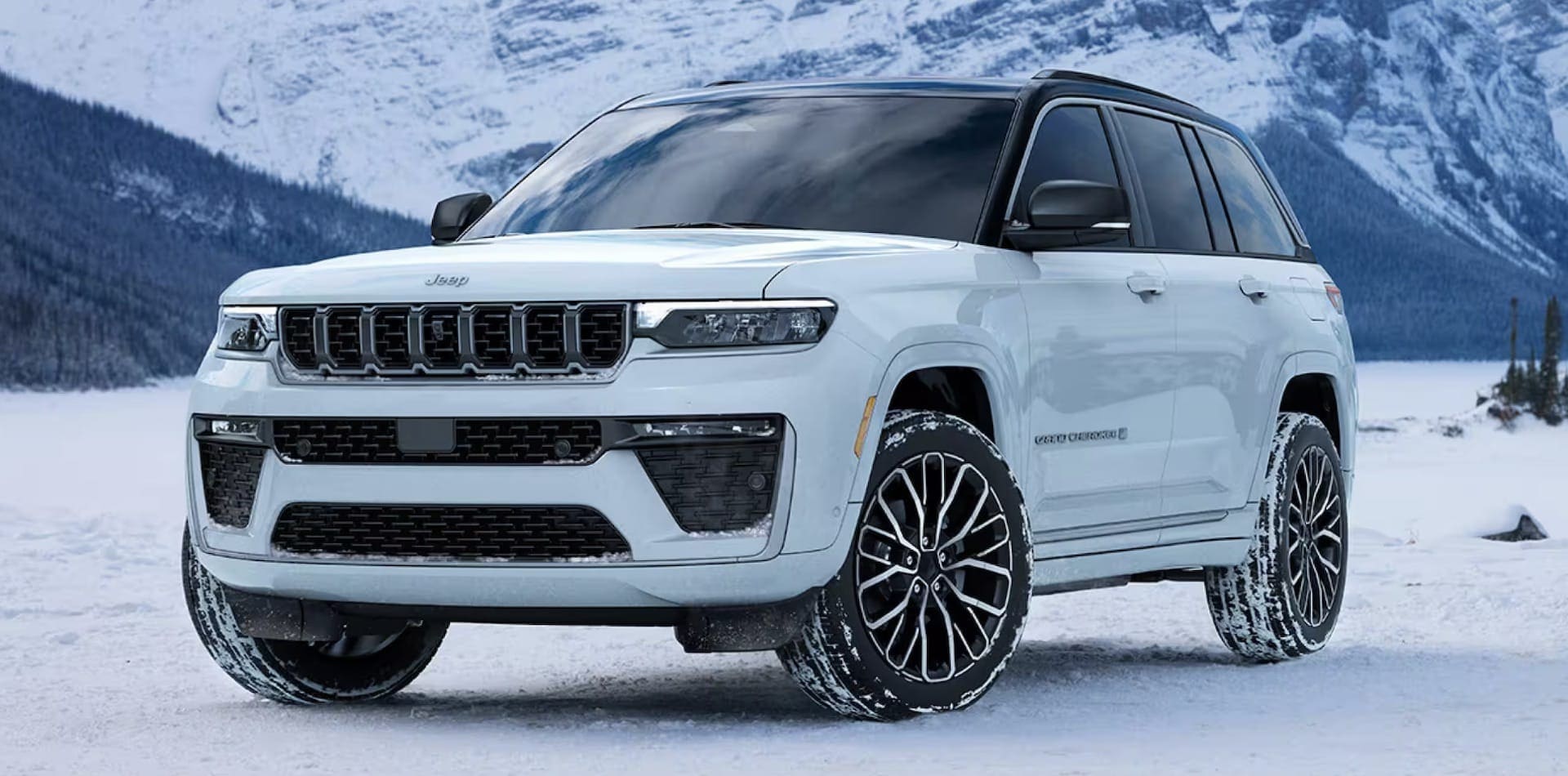
Laredo Altitude and higher trims use the 2.0-liter Hurricane 4 Turbo, so selecting those cabin and convenience packages also selects the 324-hp engine rather than a separate engine option. The turbo's 332 lb-ft exceeds the Pentastar's 260 lb-ft, with the strongest delivery spread across a useful midrange band. Buyers choosing Laredo or Laredo X get the 3.6-liter Pentastar, which makes the lower trim branch a different powertrain decision as well. The 2026 engine range consists of two gasoline choices, so a shopper wanting V8 power or plug-in driving should resolve that requirement before comparing these trims at our Cape showroom.
Both body lengths share the engine choices, but the longer L has its own fuel-economy ratings and should be compared as a separate configuration. Use the configuration-specific estimates at fueleconomy.gov as a comparison measure, rather than a promise about summer bridge traffic.
Powertrains at a Glance
| Engine | Power | Torque | Trims |
|---|
| 3.6L Pentastar V6 | 293 hp | 260 lb-ft | Laredo, Laredo X |
| 2.0L Hurricane turbo | 324 hp | 332 lb-ft | Altitude, Limited, Limited Reserve, Summit |
Engine-by-Engine
3.6L Pentastar V6
The Pentastar delivers its 293 hp at 6,400 rpm and 260 lb-ft at 4,000 rpm, figures to consider alongside how often your Cape driving involves a loaded vehicle. Regular 87-octane gasoline meets its fuel requirement, and properly equipped towing reaches 6,200 pounds, so the V6 remains relevant when a household's boat trailer sets the shopping requirement. Choosing Laredo or Laredo X also chooses this engine, rather than an optional turbo upgrade.
2.0L Hurricane Turbo
Hurricane output reaches 324 hp and 332 lb-ft; its torque plateau from 3,000 to 4,500 rpm helps explain why comparing peak horsepower alone misses an important part of the choice. A pre-chamber combustion system called Turbulent Jet Ignition and an actively controlled variable-geometry turbocharger produce that output, giving the Cape buyer an engineering distinction to weigh alongside the upper trim's cabin equipment. Jeep's stated specific output is 162 hp per liter, an engine measure rather than a towing rating. Ninety percent of peak torque is available between 2,600 and 5,600 rpm, a more useful reference for loaded acceleration than an unsupported impression of how a demonstration drive feels.
Transmissions and Drivetrain
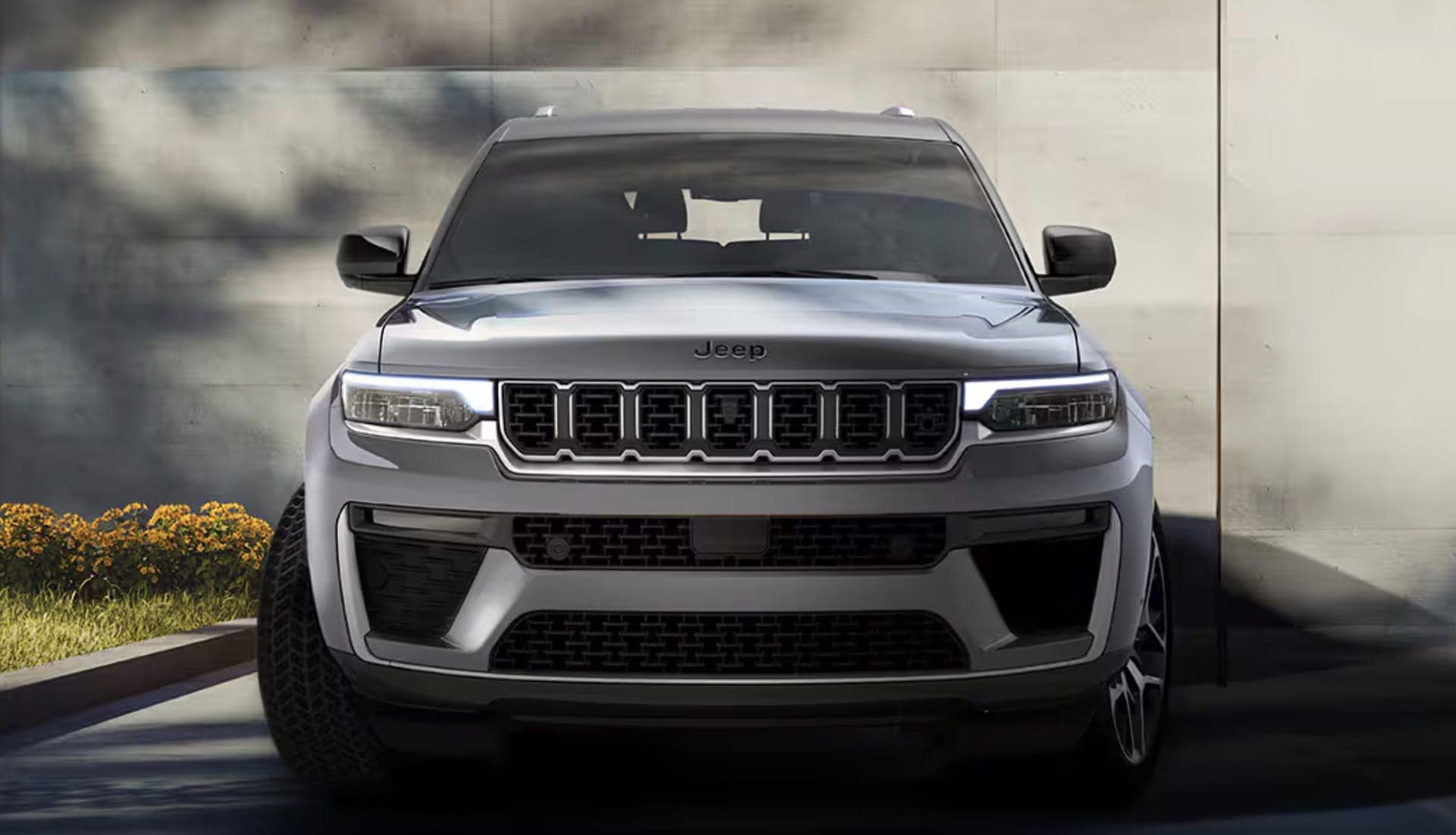
An eight-ratio automatic serves either engine and either body length, so gear count will not decide a two-row-versus-L comparison. Laredo through Limited offer a rear-drive starting point with four-wheel drive optional, while Limited Reserve, Summit and the 85th Anniversary Edition include four-wheel drive for buyers planning winter traction around the Cape. Quadra-Trac I and Quadra-Drive II differ in hardware, including the latter's rear electronic limited-slip differential; ask which system is installed before treating every four-wheel-drive badge as equivalent. Match the drivetrain and equipment together using trims compared before deciding which engine to test.
Engine and Drivetrain Availability Matrix
| Trim | Engine | Standard drive |
|---|
| Laredo / Laredo X | 3.6L V6 | RWD (4x4 +$2,000) |
| Laredo Altitude / Limited | 2.0L turbo | RWD (4x4 +$2,000) |
| 85th Anniversary / Limited Reserve / Summit | 2.0L turbo | 4x4 standard |
Fuel Economy
The strongest engine also offers the highest rear-drive two-row combined estimate, but drivetrain choice changes that comparison. EPA estimates for the two-row Grand Cherokee:
| Configuration | City / Hwy / Combined |
|---|
| V6, rear-wheel drive | 19 / 26 / 22 mpg |
| V6, four-wheel drive | 19 / 25 / 21 mpg |
| Turbo, rear-wheel drive | 21 / 27 / 23 mpg |
| Turbo, four-wheel drive | 21 / 26 / 23 mpg |
A 23-gallon tank multiplied by the rear-drive turbo's 23-MPG combined estimate gives 529 miles arithmetically, before traffic, weather, reserve fuel and driving style affect a real trip. For the longer L, use its own engine-and-drivetrain EPA figure instead of assuming the shorter Jeep's result applies to a family trip with three rows.
Which Engine Is Right for You?
Start with the V6 trims when you want the lower entry point and do not need the equipment bundled into the turbo branch. Choose among the Hurricane trims when their cabin features suit you, then evaluate the broader torque band during an appropriate test drive rather than buying on cylinder count. Either engine can reach the 6,200-pound ceiling with proper equipment, so verify the actual trailer package before using towing as the deciding factor. Filter the Grand Cherokee inventory by the trim that carries your chosen engine, then compare the listed equipment.
Shop Grand Cherokee Engines at Premier Cape Cod
Premier Cape Cod stocks the Grand Cherokee with both engines and our factory-trained team can set you up with a test drive of each on the roads around Hyannis and the South Shore. Arrange an engine comparison at our 556 Yarmouth Road showroom by calling (508) 815-5000 and explaining the driving and trailer loads you want to assess.
Engines and Performance FAQ
Which engines can I get in the 2026 Grand Cherokee?
The choices are the 293-hp Pentastar V6 in Laredo and Laredo X, or the 324-hp Hurricane four-cylinder in Laredo Altitude and higher trims. Both use an eight-speed automatic. Both are gasoline engines, so neither gives a Cape shopper plug-in operation or a V8 alternative within this model-year range.
Is the Hurricane turbo better than the V6?
The Hurricane has the higher outputs, at 324 hp and 332 lb-ft, while the Pentastar produces 293 hp and 260 lb-ft; stronger output alone does not settle the value question. The lower V6 trim branch may fit a buyer who does not want the upper trim equipment. Both tow 6,200 pounds.
What gas mileage does the 2026 Grand Cherokee get?
For two-row rear-drive versions, the turbo's EPA estimate is 23 MPG combined, compared with 22 for the V6. The four-wheel-drive two-row turbo is rated 22 combined, so compare the precise drive system before estimating a Cape fuel budget. The L needs its own ratings: its V6 configurations return 21 combined, while the turbo returns 23 rear-drive or 22 four-wheel-drive.
Does the Grand Cherokee require premium fuel?
No. Regular gasoline at 87 octane satisfies the fuel requirement for either engine, which simplifies everyday Cape fill-ups. For the Hurricane, Jeep recommends at least 91 octane to optimize performance in heat or towing conditions, so consider that recommendation when planning a loaded boat trip rather than assuming premium is mandatory for every drive.
How far can the Grand Cherokee go on a tank?
A rear-drive turbo's 23-MPG combined estimate and 23-gallon tank multiply to 529 miles, but actual distance depends on use. Leave a fuel margin for summer bridge queues rather than treating the calculated figure as a guarantee that every New England trip can be completed without stopping.
Explore the 2026 Jeep Grand Cherokee Guide
Drive Both Engines at Premier Cape Cod
Bring your driving priorities to 556 Yarmouth Road and compare engine response together with the equipment attached to each trim.