Mid-Size Icon vs Full-Size Flagship
Jeep Grand Cherokee vs Grand Wagoneer
Start with the heaviest trailer and largest passenger group you need to move. A Grand Cherokee offers a shorter unibody layout, while a Grand Wagoneer pairs full-size body-on-frame construction with up to eight seats and a Jeep-advertised 10,000-pound tow ceiling for a properly equipped short-wheelbase 4x4 with the 3.92 axle; those differences can settle a Cape boat-owning household's choice before cabin trim. At our Yarmouth Road showroom, compare the equipment only after the vehicle meets the underlying passenger and load requirements.
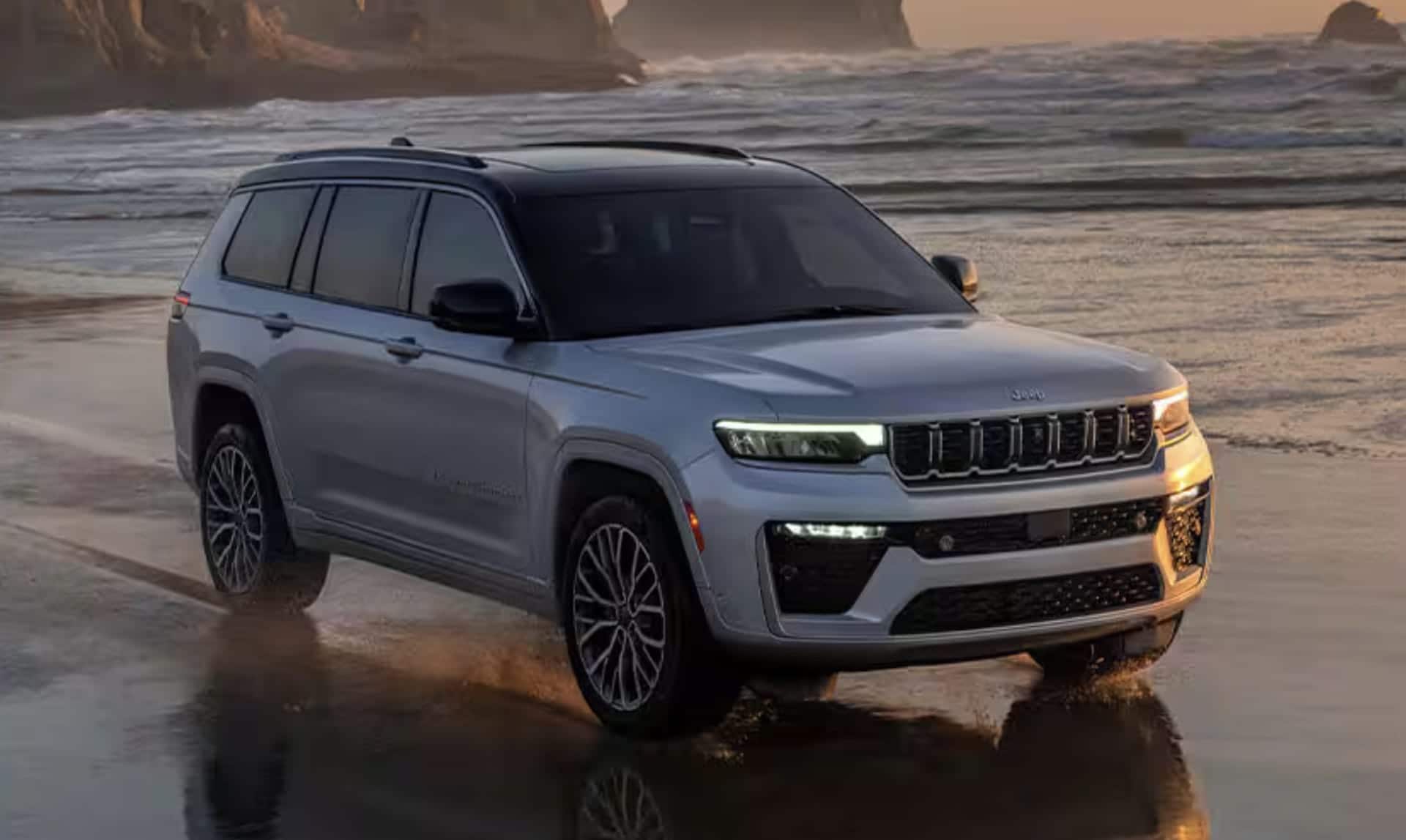
A buyer making this comparison should establish garage clearance and loaded trailer weight before deciding whether full-size space is necessary. The 2026 full-size model bears the Grand Wagoneer name, so use that identity when comparing a vehicle's specification rather than assuming an older Wagoneer listing describes the same equipment. Its separate body-on-frame construction and full-size footprint make this more than a trim step within the Grand Cherokee family, particularly when evaluating trailer and passenger loads together. Neither set of dimensions serves every household, so choose by use rather than an automatic ranking of the larger vehicle. Both are available to compare at Premier Cape Cod, with your actual load and parking requirements setting the agenda for the visit.
Start with the Grand Cherokee if five seats and a properly equipped 6,200-pound trailer ceiling meet the need, then compare the purchase budget and the actual room needed to park and load the vehicle. A requirement for eight seats or a trailer beyond that ceiling makes the Grand Wagoneer's full-size capacity relevant, rather than an optional styling upgrade for the same job. If those requirements do not apply, assess whether the larger footprint earns its place in your Cape driveway before moving beyond the Grand Cherokee.
Grand Cherokee vs Grand Wagoneer: Overview
The five-seat Grand Cherokee uses a 193.5-inch unibody layout and starts at a $38,920 base MSRP, while the longer L adds a third row; its rear-drive turbo's 23-MPG combined estimate is a configuration-specific comparison point for the household fuel budget. It is the value-and-efficiency choice. Check the specific engine and drive layout at fueleconomy.gov when comparing fuel use between these differently sized vehicles.
A 420-hp twin-turbo inline-six powers the Grand Wagoneer's full-size body, and its Jeep-advertised 10,000-pound ceiling for a properly equipped short-wheelbase 4x4 with the 3.92 axle addresses a larger load than the Grand Cherokee can handle, so confirm the complete boat-and-trailer weight before paying for that additional capacity. It starts around $63,995 and climbs past $100,000 for the Summit Reserve. For eight occupants, assess the full-size seating arrangement with luggage aboard rather than choosing on maximum cargo volume alone.
Powertrain and Performance Compared
| Spec | Grand Cherokee | Grand Wagoneer |
|---|
| Standard engine | 3.6L V6, 293 hp | 3.0L twin-turbo I6, 420 hp |
| Construction | Unibody (mid-size) | Body-on-frame (full-size) |
| Max towing | 6,200 lb, properly equipped | Jeep-advertised 10,000 lb: properly equipped short-wheelbase 4x4, 3.92 axle |
| Combined MPG | 23 mpg, two-row turbo RWD | 19 mpg, short-wheelbase 2WD or 4WD |
| Wheelbase | 116.7 in | 123 in |
Pricing and Space Compared
| Spec | Grand Cherokee | Grand Wagoneer |
|---|
| Starting MSRP | About $38,920 | About $63,995 |
| Seating | 5 (up to 7 in the L) | Up to 8 |
| Max cargo | 70.8 cu ft | 116.7 cu ft, rear rows folded |
| Overall length | 193.5 in | 216.1 in |
Add the appropriate destination and purchase charges to each selected vehicle before comparing the written totals. A Grand Wagoneer L also exists, making garage depth and luggage space behind occupied seats another body-length choice within the full-size range.
Where Each One Wins
The Grand Cherokee wins on value, efficiency and everyday size
The 193.5-inch Grand Cherokee takes less parking length than the full-size Grand Wagoneer; a household using crowded Cape beach lots should measure that difference alongside the seats and trailer capability it genuinely needs before stretching the purchase budget. Upper Grand Cherokee trims add cabin materials and driveline hardware, so a desire for leather or low range does not automatically require the largest body. If your group and loaded trailer fit within its limits, compare the Grand Cherokee's seating comfort and equipment first rather than assuming the full-size vehicle improves every ordinary commute.
The Grand Wagoneer wins on space, towing and flagship luxury
Grand Wagoneer seats up to eight; Jeep advertises up to 10,000 pounds towing for the properly equipped short-wheelbase 4x4 with the 3.92 axle, while the 420-hp engine and available premium second-row comforts provide separate reasons to try it; determine how those features serve your family before treating the larger body as an unavoidable choice. For a heavier camper or boat, confirm the trailer and carried-load figures on a suitable Grand Wagoneer, then try the passenger layout with the people who will make the trip.
Which Jeep Should You Buy?
| If you… | Choose |
|---|
| Want the best value, mileage and everyday size | Grand Cherokee, shop inventory |
| Need eight seats or a trailer beyond the Grand Cherokee’s limits | Grand Wagoneer, shop new inventory |
| Want three rows but not full-size bulk | Grand Cherokee L, see the L |
Shop Both at Premier Cape Cod
Premier Cape Cod carries the Grand Cherokee and the full-size Grand Wagoneer at 556 Yarmouth Road in Hyannis, so you can sit in both and feel the difference in size and cabin before you decide. Call (508) 815-5000 or schedule a test drive online from Falmouth, Plymouth or the South Shore.
The Premier Pure Promise
Choose the size around your passengers, parking and loaded trailer before valuing the premium cabin. Premier Pure Promise provides the same purchase framework for either Jeep. Premier Companies is locally family-owned since 1979. Under the Premier People Promise, no staff member is paid commission, supporting a commission-free, no-pressure discussion of which vehicle meets the actual requirement. The experience continues during purchase and throughout ownership, rather than depending on which size you buy.
Premier Pure Price has offered negotiation-free pricing since 1995. The group states “We price our cars, not our customers,” describing CarGurus, Kelley Blue Book and Autotrader comparisons as its method for pricing against the lowest in the market. No haggling lets you assess a specific Grand Cherokee and Grand Wagoneer on clear terms. Premier Transparency provides upfront vehicle prices, KBB trade values and available rates, rebates, residuals and incentives 24/7/365, keeping the capacity comparison connected to the complete purchase review.
Premier Personalization, Pure & Simple offers three ways to shop: in person, 100% remote or any combination. Shop online to identify the configuration, value a trade and apply for credit, then visit for seating and equipment checks. You can buy online after those inspections or complete the purchase in person. Premier can deliver anywhere, coast to coast. Retain the selected vehicle’s actual body, axle and equipment record with the written terms when arranging the remote purchase.
Grand Cherokee vs Grand Wagoneer FAQs
Can I inspect either Jeep at Premier and complete the purchase online?
Yes. Premier Personalization, Pure & Simple lets you combine a showroom comparison with online buying. Retain the chosen Jeep’s body, equipment and capacity records with its written terms for the remote review. Premier can deliver anywhere; confirm the actual vehicle and purchase and delivery arrangements after resolving the passenger and load requirements.
What is the difference between the Grand Cherokee and Grand Wagoneer?
Grand Cherokee is the smaller unibody choice, with five seats in the standard body or six to seven in the L. Grand Wagoneer provides full-size body-on-frame capacity for up to eight occupants; compare the garage fit and loaded trailer requirements before deciding which passenger arrangement suits your Cape household.
Is there still a standard Jeep Wagoneer for 2026?
No. For 2026, Grand Wagoneer is the full-size model name to use when checking equipment and ratings. A listing under the earlier Wagoneer name should not be assumed to describe the same model-year vehicle, so compare the selected vehicle's identity and specification before using it as a purchase reference.
Which one tows more?
Grand Wagoneer has the higher advertised maximum: up to 10,000 pounds for a properly equipped short-wheelbase 4x4 with the 3.92 axle, versus Grand Cherokee’s 6,200-pound ceiling. Match the individual vehicle to the complete loaded trailer and follow its applicable limits; passengers, luggage and tongue load still count against carrying allowance.
Which is better for a big family?
Grand Wagoneer accommodates up to eight, making it the relevant choice when every one of those places is needed. For six or seven occupants, also try the Grand Cherokee L and compare luggage behind occupied seats, garage space and the actual equipment; passenger count alone does not describe how a family travels on the Cape.
Is the Grand Cherokee cheaper to run than the Grand Wagoneer?
It can use less fuel in the compared configurations: the two-row rear-drive turbo Grand Cherokee is EPA-rated at 23 combined mpg, versus 19 for short-wheelbase Grand Wagoneer. Estimate your own fuel, insurance, tires and maintenance alongside the purchase total. The extra full-size capacity should meet a need that justifies its complete ownership expense.
Does needing three rows automatically require Grand Wagoneer?
No. Grand Cherokee L is a separate three-row alternative for six or seven occupants, while Grand Wagoneer can accommodate up to eight. Compare the actual passengers, luggage and loaded trailer before choosing full-size capacity. The Hyannis visit should establish which arrangement serves the household rather than rank every larger body as a necessary upgrade.
How should I compare a garage with these two sizes?
Measure the actual opening and usable depth, allowing for mirrors, doors, hatch and any accessories as well as body length. Try the chosen configurations rather than assume a standard garage fits either vehicle. Passenger and towing needs can justify more size, but a published length alone cannot establish practical entry, loading or walking space at home.
Explore the 2026 Jeep Grand Cherokee Guide
Compare Jeep SUVs at Premier Cape Cod
Bring the boat trailer's loaded weight and your passenger requirements to 556 Yarmouth Road before comparing the two sizes in person.
Compare the suitable Jeep during a test drive after the passenger and loaded-trailer requirements are established. Review financing and a trade-in for the actual configuration, then discuss service for its use. Premier Pure Promise supports buying online, in person or through a combination while keeping the equipment and financial assumptions together.